
How-to
Contrast Therapy: The Hot–Cold Ritual, Explained
9 min read · Updated 17 June 2026
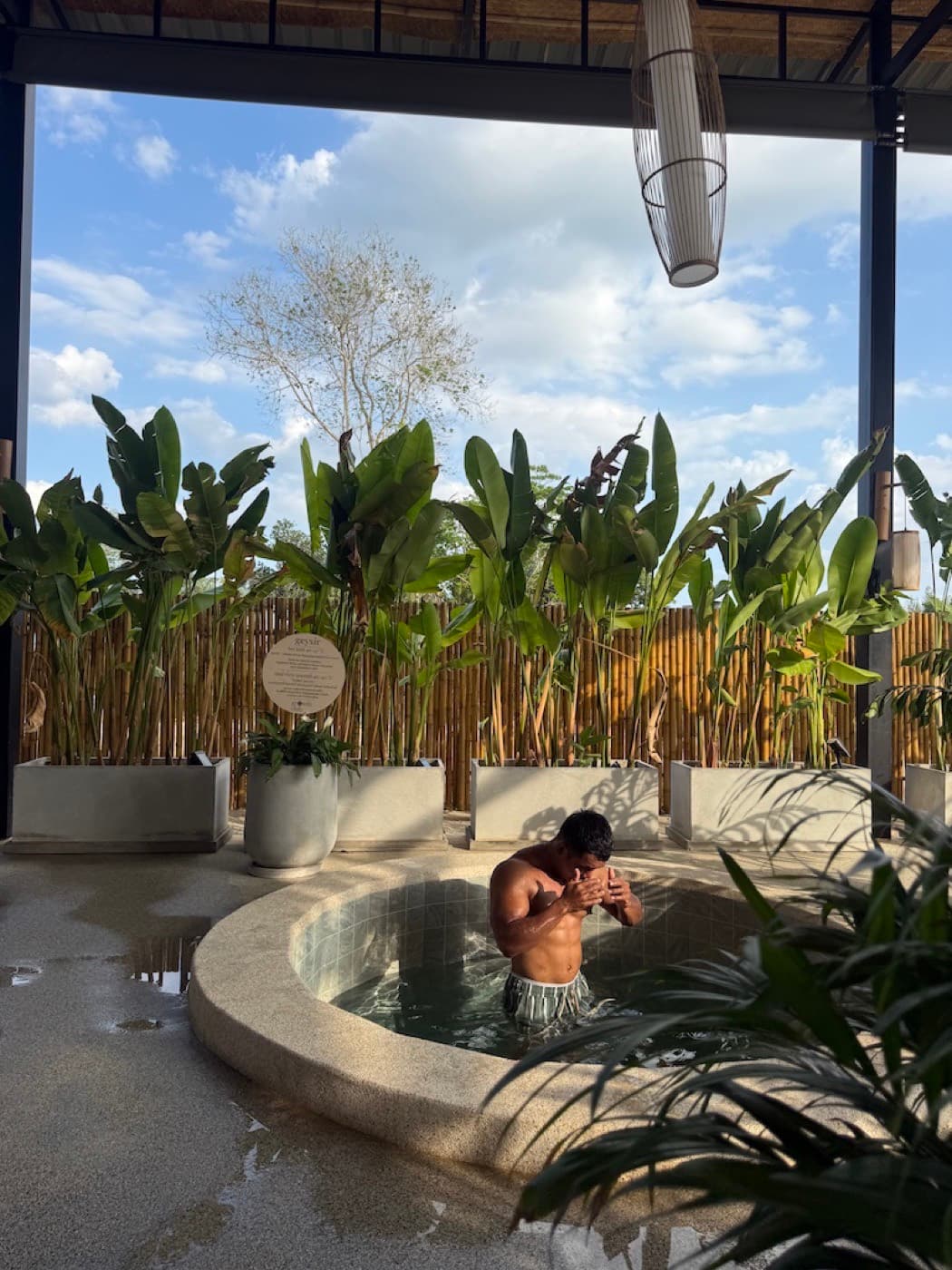
Contrast therapy is one of the oldest recovery rituals dressed in new language. Alternate heat and cold, again and again, and your circulatory system goes to work. The Finns have warmed in the sauna and rolled in the snow for centuries; today the same idea shows up as a sauna followed by a cold plunge, repeated in rounds.
This guide explains what contrast therapy actually is, the physiology behind the so-called vascular pump, and a practical step-by-step protocol you can follow. It also stays honest about where the evidence is solid and where it is thin, flags who should be cautious, and walks through how a real session flows using the heat and cold stations at Growth Club in Ao Nang, Krabi as a worked example.
A note up front: heat and cold are both real stressors on the heart and circulation. If you are pregnant, have a heart condition or high blood pressure, or any cardiovascular concern, speak to your doctor first, skip it after alcohol, and never do the cold portion alone.
Key takeaways
- Contrast therapy alternates heat and cold in rounds to drive a vascular-pump effect.
- A simple template is 8 to 15 min heat, 30 sec to 3 min cold, 2 to 5 min rest, repeated 2 to 4 times.
- Finishing on cold versus hot is genuinely debated; choose what feels best and rewarm gradually.
- Evidence shows it beats passive rest for muscle soreness, but it is not clearly better than simpler methods.
- Avoid it after alcohol, manage the cold-shock swing, and consult a doctor if you have any heart or pregnancy concerns.
What is contrast therapy?
Contrast therapy, sometimes called contrast water therapy or hot-cold immersion, means deliberately alternating between a hot environment and a cold one within a single session. The classic pairing is a sauna or hot bath followed by a cold plunge, cycled two to four times.
The appeal is that you are not choosing between heat and cold; you are using the swing between them. Heat opens you up and relaxes; cold sharpens and constricts. Moving repeatedly between the two is meant to drive circulation harder than either alone, and for many people the ritual is as much about how composed and clear-headed they feel afterward as any measurable recovery marker.
How does the vascular pump work?
The mechanism people point to is the vascular pump. Heat causes blood vessels near the skin and in the limbs to dilate, increasing peripheral blood flow. Cold does the opposite: within seconds it triggers vasoconstriction, narrowing those vessels and shifting blood toward your core to protect heat.
Alternate the two and your vessels repeatedly widen and narrow, a pulsing action that is thought to increase circulation and help move blood and metabolic waste through tissue. Near-infrared spectroscopy studies of contrast protocols have measured changes in muscle oxygenation and blood volume consistent with this idea, which is reassuring, though it is a long step from a perfusion measurement to a guaranteed recovery outcome. The physiology is real; how much it translates into how you feel and recover is the part still being mapped.
A step-by-step contrast therapy protocol
There is no single official protocol, but a widely used template is heat, then cold, then rest, repeated for a few rounds. Start in the heat long enough to warm through and begin sweating, then move to a short, sharp cold immersion, then pause to let your body settle before going again.
A reasonable beginner-to-intermediate session looks like the bullets below. Keep the cold portions short, especially early on, and let your breathing stay controlled throughout. Hydrate, and stop if anything feels off rather than completing the rounds for their own sake.
- Heat: 8 to 15 minutes in a sauna or hot bath until warmed through
- Cold: 30 seconds to 2 or 3 minutes in a cold plunge
- Rest: 2 to 5 minutes at room temperature, breathing calmly
- Repeat for 2 to 4 rounds total
- Hydrate before, during, and after
Should you finish on cold or hot?
This is the genuinely debated part. One school, drawing on metabolism research, argues you should finish on cold and then let your body rewarm on its own, on the logic that resisting external heat makes the body generate its own through shivering and brown fat activity, which is where some metabolic benefit is thought to sit.
The other view is simpler and just as valid for many people: finish on whatever leaves you feeling best and safest. Ending hot is more relaxing and gentler on rewarming; ending cold is more alerting and, if you believe the metabolic argument, potentially more adaptive. There is no strong consensus that one is correct for everyone. If you finish cold, rewarm gradually and watch for afterdrop, where your core can keep cooling for minutes after you get out.
What does the evidence actually say?
Here is the honest summary. A systematic review and meta-analysis of contrast water therapy for exercise-induced muscle damage found it was better than passive rest at reducing muscle soreness and strength loss in the hours and days after hard exercise. That is a real, if modest, finding.
The caveats matter just as much. The trials in that review were rated as having a high risk of bias, and contrast therapy was not clearly superior to simpler options like cold water immersion alone, warm immersion, compression, or active recovery. In other words, it appears to help recovery versus doing nothing, but it is not a proven magic bullet over other methods, and the effects may be most relevant to elite athletes. Broader wellbeing claims, around mood, circulation, and general recovery, are plausible and widely reported but rest on thinner evidence. Treat contrast therapy as a pleasant, likely-helpful ritual rather than a guaranteed treatment.
Common mistakes to avoid
Most contrast therapy problems are about overdoing it or rushing the transitions. The cold portion is where caution counts most: the cold-shock response can spike heart rate and breathing, so the swing from very hot to very cold should be managed, not attacked. Keep cold rounds short and your exhales slow.
The mistakes below are the usual culprits. The biggest safety one is the worst combination of all: alcohol plus heat plus cold, which impairs both thermoregulation and judgement and should simply be avoided.
- Staying in the cold too long to prove a point
- Skipping the rest period and ricocheting straight between extremes
- Forgetting to hydrate, especially given sauna sweat losses
- Jumping into scalding heat immediately after cold, worsening afterdrop
- Combining contrast therapy with alcohol
- Ignoring dizziness, chest tightness, or breathlessness instead of stopping
How a session flows at a dedicated facility
A purpose-built circuit makes the ritual easy because the stations are a few steps apart and someone is on hand to guide you. At Growth Club in Ao Nang, a typical contrast circuit might start in the Finnish sauna at around 80 degrees Celsius, or the gentler house of steam at about 45 degrees for those easing in.
From the heat you move to cold. First-timers tend to choose the fjord plunge at 9 to 12 degrees, while the more experienced opt for the iskall ice bath at a bracing 5 to 7 degrees. Then you rest, often on the grounding lawn, letting your breathing settle and your body rewarm in the warm Krabi air before the next round. The geysir hot bath at 40 to 42 degrees is there if you prefer to finish on heat or warm between rounds. A day pass is 400 baht, staff guide first-timers through the cold, and the whole loop, heat, plunge, rest, repeat, becomes a calm, repeatable ritual rather than a feat of endurance.
Frequently asked
Two to four rounds is a common range. Beginners can start with two short rounds and add more as they get comfortable. Quality and controlled breathing matter more than racking up rounds.
The evidence is mixed. Contrast water therapy beats passive rest for post-exercise soreness, but reviews have not shown it is clearly superior to cold immersion alone, warm immersion, or active recovery. Pick what you will actually do consistently.
It is debated. Finishing on cold and rewarming naturally is favoured for possible metabolic benefit; finishing on hot is more relaxing and easier on rewarming. There is no firm consensus, so choose what leaves you feeling best and safe.
Anyone who is pregnant, has a heart condition, high blood pressure, or another cardiovascular concern should consult a doctor first, since both heat and cold stress the heart. Avoid it after alcohol, and never do the cold portion alone.
Is Growth Club right for you?
See how the sauna and ice bath in Ao Nang fit your reason for going:
Sources
- Bieuzen et al., Contrast Water Therapy and Exercise-Induced Muscle Damage: Systematic Review and Meta-Analysis (PLOS One)
- Soberg et al., Cell Reports Medicine (cold/heat exposure and metabolism)
- Huberman Lab: The Science and Use of Cold Exposure for Health and Performance
- Mechanism of afterdrop after cold water immersion (PubMed)
This article is for general information only and is not medical advice. Cold and heat exposure carry risks — consult a doctor before starting if you have any health condition.
Keep reading
 Science
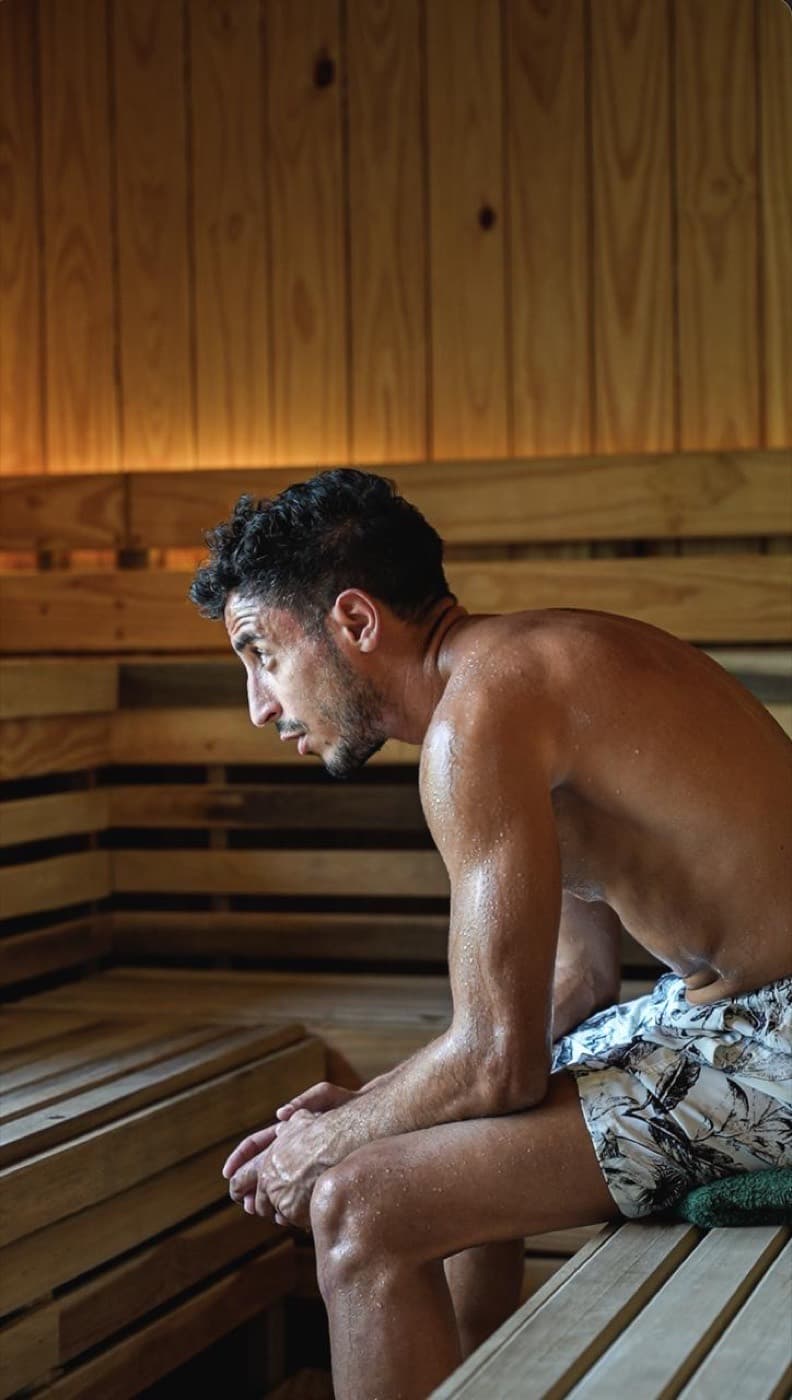
Sauna vs Ice Bath: Which Is Better for Recovery?
How heat and cold each work for recovery, what the evidence supports, and why doing both in contrast is often the smarter answer.
8 min read →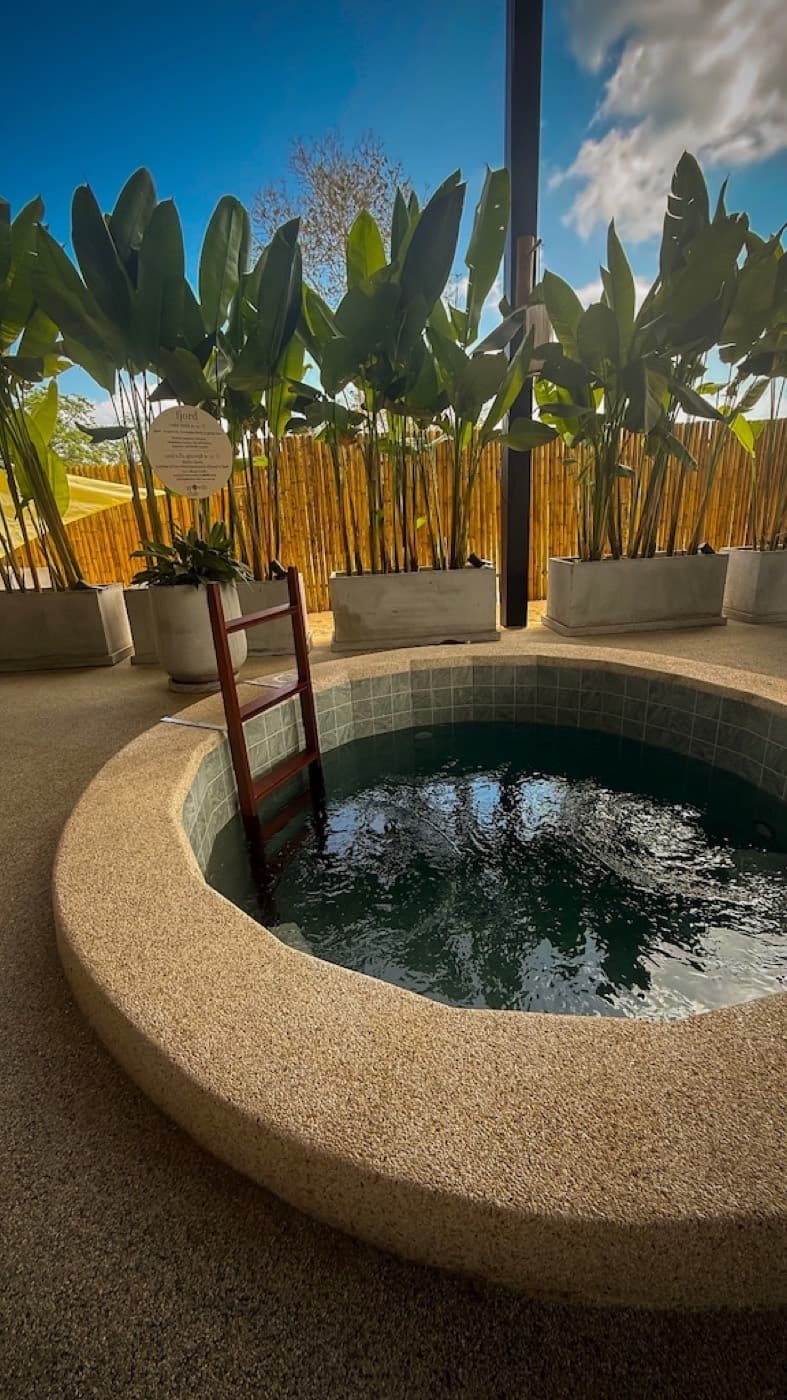 How-to
How Long Should You Stay in an Ice Bath?
A practical, safety-first guide to ice bath timing: durations by goal and experience, the 11-minute rule, breathing, warning signs, and warming up.
8 min read →